In Barichara, Santander, Colombia, a singular project called Origen del Agua is turning degraded land into a vibrant ecosystem full of life. Led by Jessica Lisiewski, a North American who found her purpose in environmental regeneration, the project sets out not only to restore the dry tropical forest, one of the most threatened ecosystems in the world, but also to teach a new generation to become guardians of their own territory. What follows is an account of how water and life are being sown by hand at this reserve, and how the experience is changing the community’s relationship with the land around it.
The power of hands to regenerate land
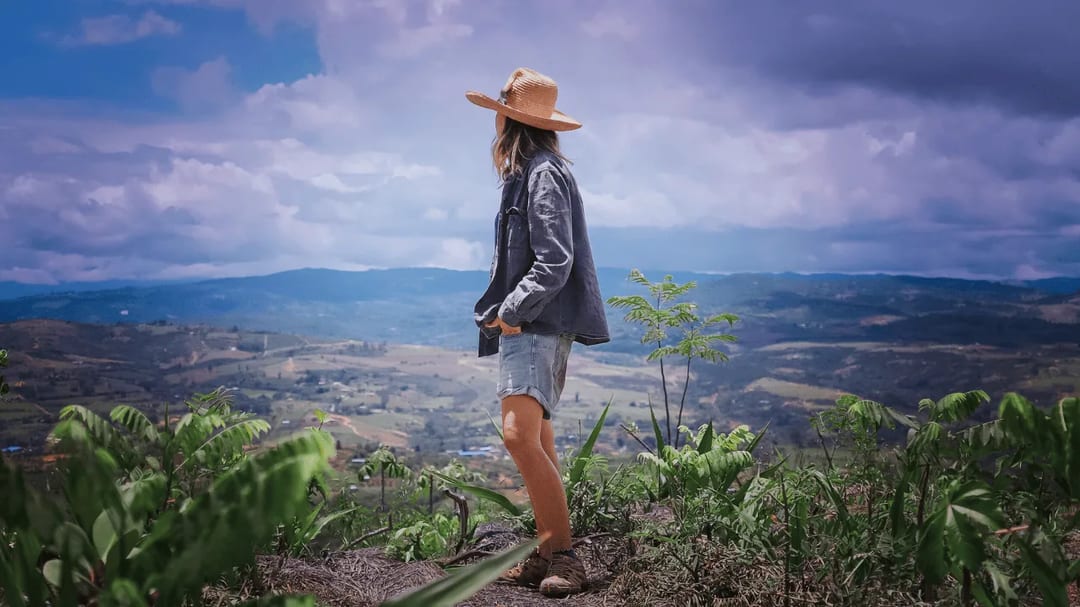
Ten years ago, Jessica was asking herself how work done from behind a desk could contribute to regenerating the planet. The answer arrived when she got her hands dirty and started working directly with the soil. At Origen del Agua the connection to nature is tangible: “I value the trees I’ve planted here far more than all the talks I gave or the work I did in my previous life,” she says.
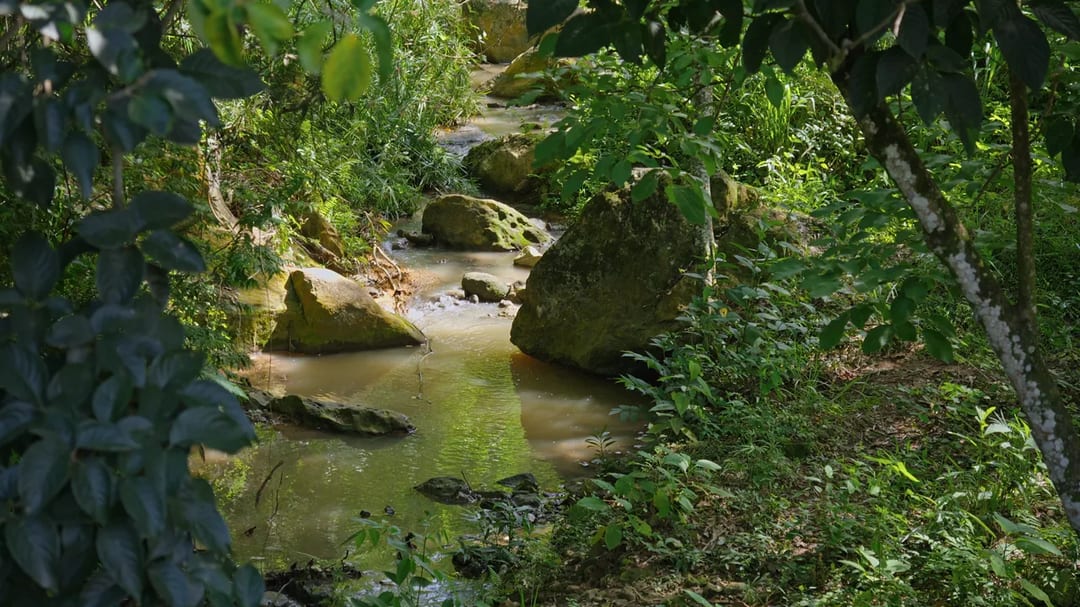
The project sits in the vereda of El Caucho, an area rich in groundwater that depends critically on forest cover to keep its water cycle intact. The reserve occupies the top of a ridge, a strategic point that feeds the ecosystem and the water sources supplying the whole region. Regenerating here means benefitting every part of the territory that depends on that vital source.
Environmental education and a connection to the land
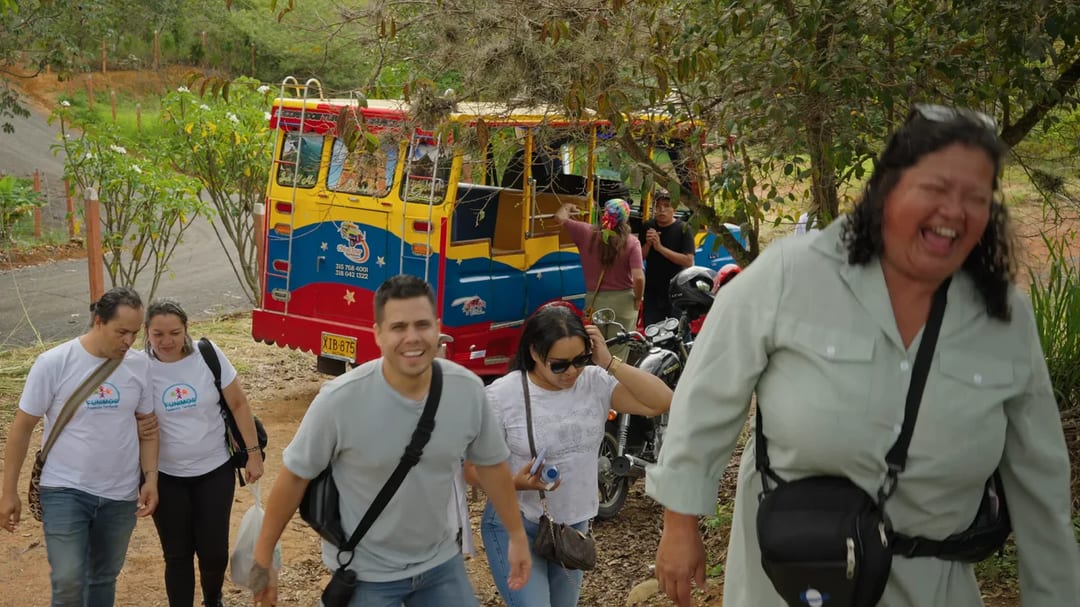
One of the pillars of the project is its work with children from rural schools. In a conventional classroom, students learn basic science, mathematics and reading, but they are rarely taught about the natural world immediately around them. Many do not know they live in a dry tropical forest, an ecosystem at serious risk of disappearing.
Jessica stresses how much it matters that children understand where the water they drink comes from: “In a region where water is scarce, people talk about the water crisis every year, but schools don’t teach them that water comes from the water cycle, from the forests.”
Direct experience at the reserve lets children learn about the interdependence of forest, soil and water, and develop a sense of gratitude and responsibility towards their own territory. That hands-on learning teaches them they can be active agents in the regeneration of the ecosystem.
Techniques and challenges in restoring the forest
Regeneration is not only planting trees; it also means restoring the soil and encouraging biodiversity. Sometimes that involves small interventions: reshaping the ground, building stone walls to halt erosion, protecting young trees that have sprouted on their own. The aim is to create conditions in which life can thrive again.
One of the greatest challenges, though, has been the disconnect with neighbouring landowners who do not share the same conservation vision. Jessica describes how watching century-old trees felled and the understorey destroyed broke her heart and made her work harder, but it also strengthened her commitment to educating a new generation, so that in the future they will protect the forest they are helping to create now.
A future of mature forests and committed communities
Jessica pictures a future in which the dry tropical forest at Origen del Agua is a mature ecosystem, with emblematic species such as the ceiba providing shelter and food for a wide diversity of wildlife. She imagines the children who took part in the restoration returning as adults, proud to have been part of the transformation and teaching the next generation how to care for and regenerate the forest.
At first, regeneration looked like a difficult dream, given how extreme the soil degradation was and how harsh the conditions can be, particularly through the long dry season. Yet after years of learning and experimenting, Jessica has achieved a survival rate of more than 90% among the plants, an outcome she describes as “magical”.
That success is a testament not only to the effectiveness of the techniques being used, but to the depth of connection possible with the land when the work is done with respect and love.
Why regeneration matters for water and food security
The dry tropical forest is fundamental to food and water security in the region. Sugar cane was once grown in Barichara, but soil degradation and water loss have made the crop unviable. Restoring the forest helps hold water in the soil, prevents desertification, and maintains the balance that agriculture and human life depend on.
Jessica reminds us that our relationship with the Earth has to be reciprocal: “The Earth gives us a great deal, but we have no habits of giving back. If we keep taking without giving, there will be no sustainability.” At Origen del Agua, planting trees is also planting life and hope for the generations to come.
Frequently asked questions
Origen del Agua is a nature reserve in Barichara, Santander, Colombia, dedicated to regenerating the dry tropical forest and protecting the groundwater of the vereda of El Caucho.
This ecosystem is one of the most threatened in the world and is vital to the region’s water and food security, since it helps hold water in the soil and prevents desertification.
The project works especially with children from rural schools, teaching them to connect with their territory and to become active guardians of the forest through practical, educational experiences.
The techniques used include soil restoration, protecting young trees, building walls to prevent erosion, and planting native species suited to local conditions.
The absence of a shared vision with some neighbouring landowners, who fell trees and degrade the forest, has been both an emotional and a practical challenge for the project.
After several years, more than 90% of the plants sown have survived the dry season, and a significant increase in biodiversity has been observed, including birds and insects.
A closing reflection
Hands that sow water and life is far more than an environmental project; it is an invitation to reconnect with the land through love, education and collective action. In a world facing ecological crises, initiatives like Origen del Agua show that with dedication, knowledge and commitment it is possible to regenerate ecosystems, protect water and cultivate a sustainable future for everyone.
As Jessica puts it: “What we have is our own hands, our families and our communities.” That is the most powerful seed there is for sowing life.