Documenting what regenerates
Historias Regenerativas gathers, in the first person, the work of the people bringing water and forest back to the Northern Andes: the region that runs from the páramos down to the valleys and the dry forests of Colombia.
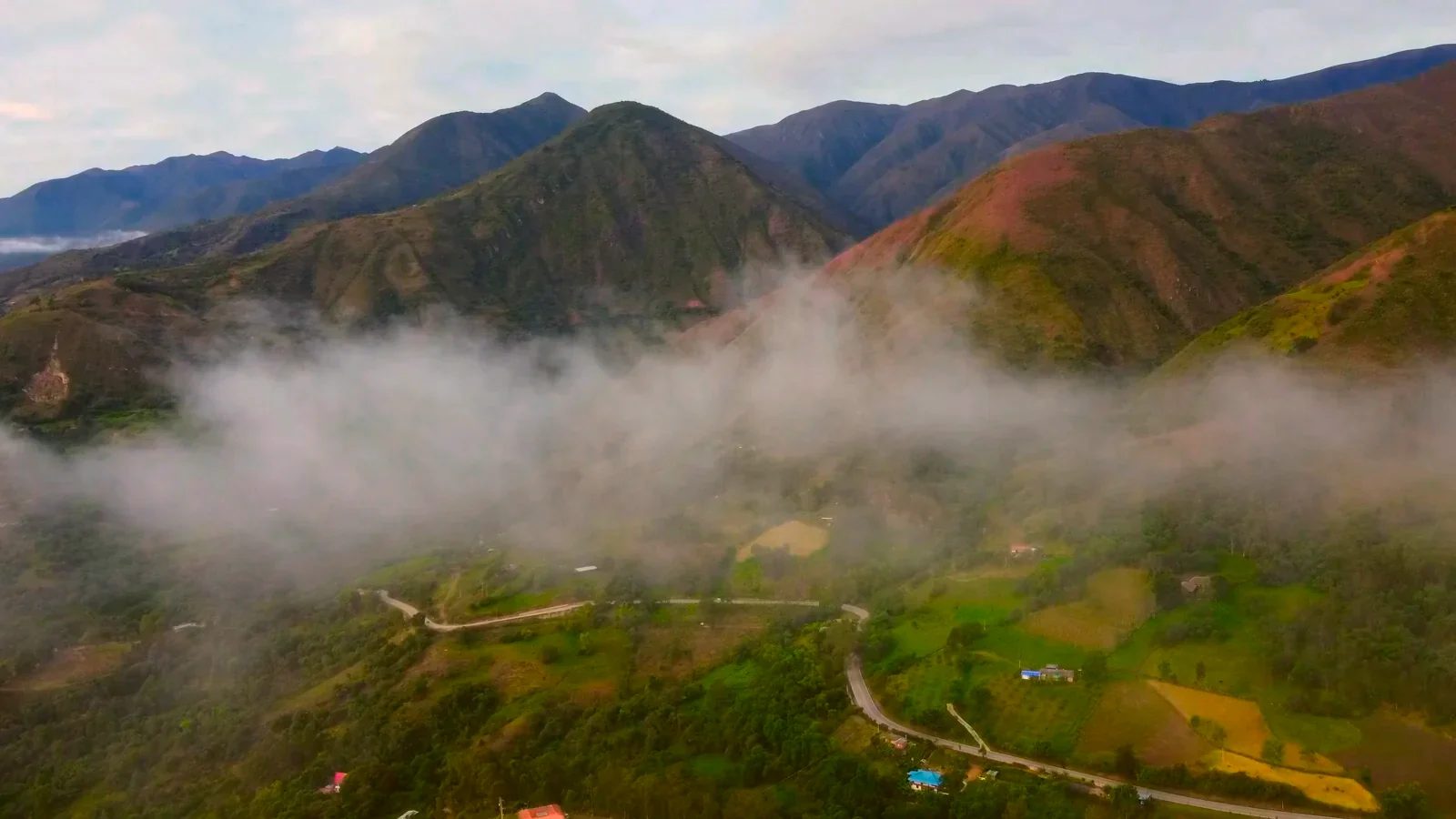
A region, not a point on the map
In Colombia the Andes split into three mountain ranges. That geology shapes the climate, and the climate shapes the ecosystems that follow one another between 4,000 metres and sea level: páramos that exist almost nowhere else on Earth, interandean valleys, dry forests. The rivers born high up are the same ones that cross the valleys and the cities below. Water is what binds the region together, and it is also why no territory can be cared for on its own. A watershed cannot be divided: water runs where the slope sends it, without consulting the boundary of a hamlet, a municipality or a country. No territory is cared for well with maps that separate what reality has joined.
That is why these stories are not confined to one municipality. They begin wherever people are working, and follow the water as far as it goes.
Where we are now
The first chronicles come from the dry tropical forest of Santander, the most threatened ecosystem in the country: less than 8% of its original extent remains, broken into small, isolated patches. Restoring it is not a symbolic gesture. It is the difference between a mountain that holds water and one that lets it run off.
Since October 2026 the archive has been looking at a larger scale with the Bioregions Series: short episodes that read the territory through its water, from the páramos where rivers rise to the dry canyon below Barichara, and that have now reached Cali, where neighbours in a network of urban forests are bringing the mountain back into the city.
Our path so far
This archive has been built since 2025, one visit at a time, with more than fifty videos published along the way.
- June 2025. The first chronicle: hands that sow water and life in Barichara's dry forest.
- September to December 2025. Guane pottery in Lubigará, a community garden in the ruins and a gathering between territories.
- January 2026. Paths to regenerating the dry forest, told by an ecologist.
- March to July 2026. Regenerative education in schools and in the forest: FloreSeremos and Travesía Bosque.
- October 2026. The Bioregions Series takes the archive to the scale of the Northern Andes and reaches Cali, with its urban forests.
Why we tell these stories
Regeneration is measured in decades, but it is done in concrete days of work: a nursery, an infiltration ditch, five thousand trees planted by hand. That work is almost never documented while it happens. These chronicles exist so there is a record, and so that other communities can recognise something they could repeat.
How we work
Every story starts with a visit and a long conversation on the land. We do not edit the testimony to sound more hopeful than it is: the difficulties (the lack of water, the costs, the time it takes a tree to cast shade) are part of the account.