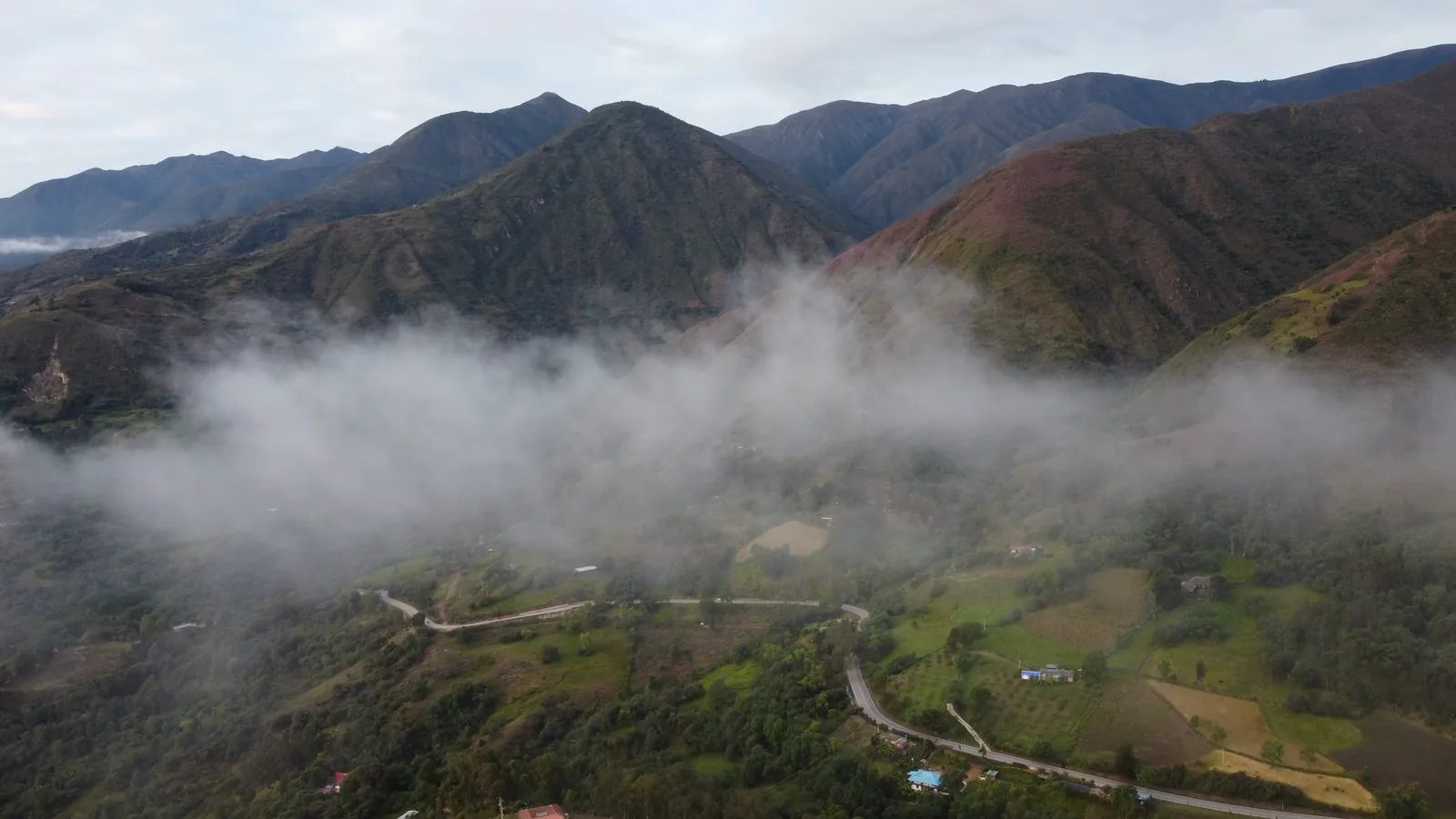
The Andes run the length of the continent, from Patagonia to the Caribbean. At their northern end, as they enter Colombia, the range does something it does nowhere else: it splits into three great branches, the Western, Central and Eastern Cordilleras. That fold in the land is the heart of one of the most diverse regions on the planet, the bioregion of the Northern Andes.
A roof that shares out the water
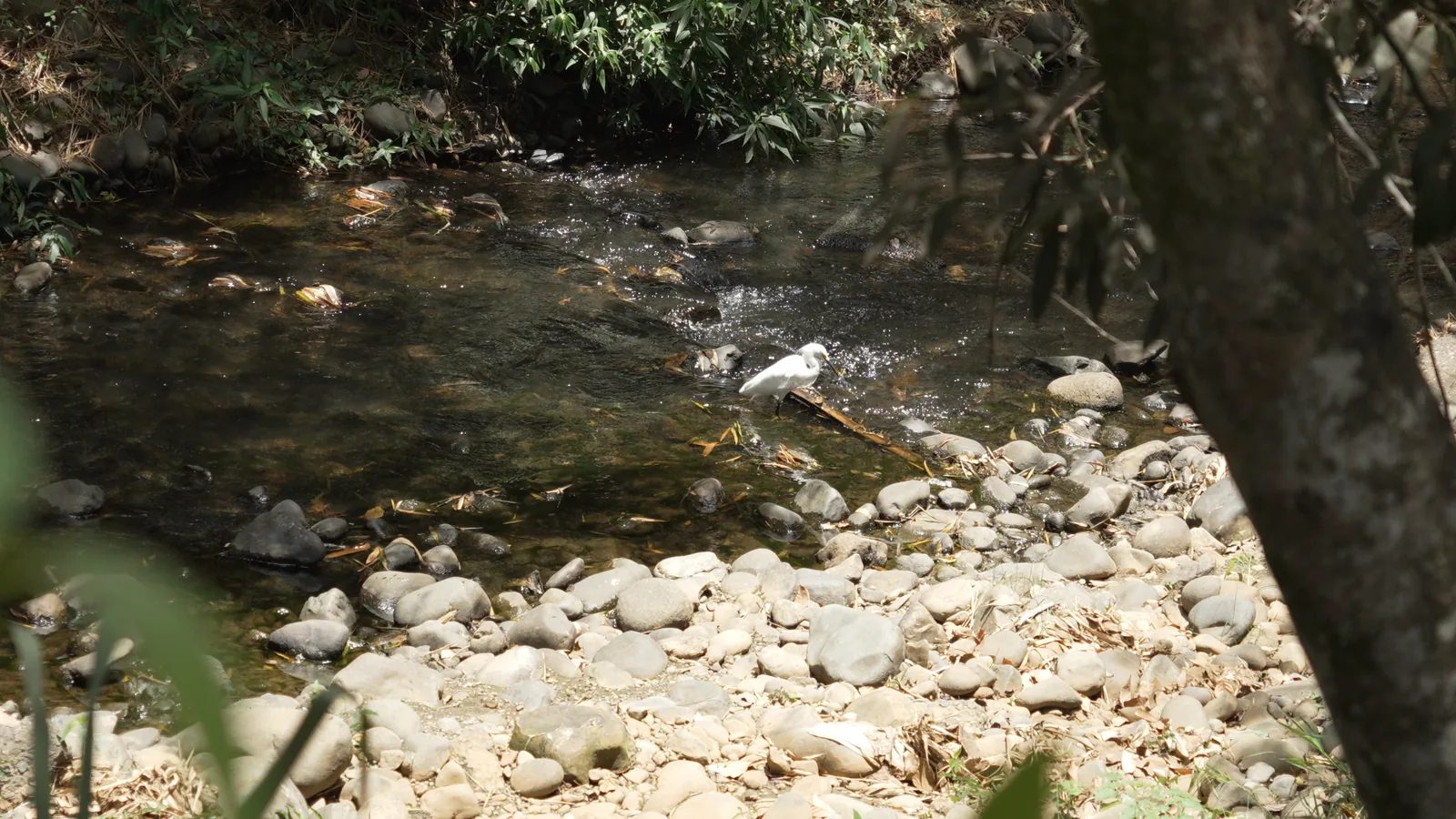
Between the Eastern and Central Cordilleras runs the Magdalena River. Between the Central and Western runs the Cauca. The two meet and flow into the Caribbean. On the far side of the mountains, rivers such as the Caquetá descend to the Amazon, others run towards the Orinoco plains and others drop to the Pacific.
In other words, from these mountains water takes paths towards four great regions. What happens on one slope of the Northern Andes does not stay there: it reaches cities, wetlands, rainforests and coasts hundreds of kilometres away.
Many worlds in a single tropic
All of this happens in the tropics, with mountains that rise from close to sea level to more than four thousand metres. That mix of equatorial heat and altitude creates very different ecosystems within short distances: dry forests in the inter-Andean valleys, cloud forests on the slopes, páramos on the summits, humid rainforest where the range drops to the Amazon, and warm valleys between one cordillera and the next. All of them are the Northern Andes.
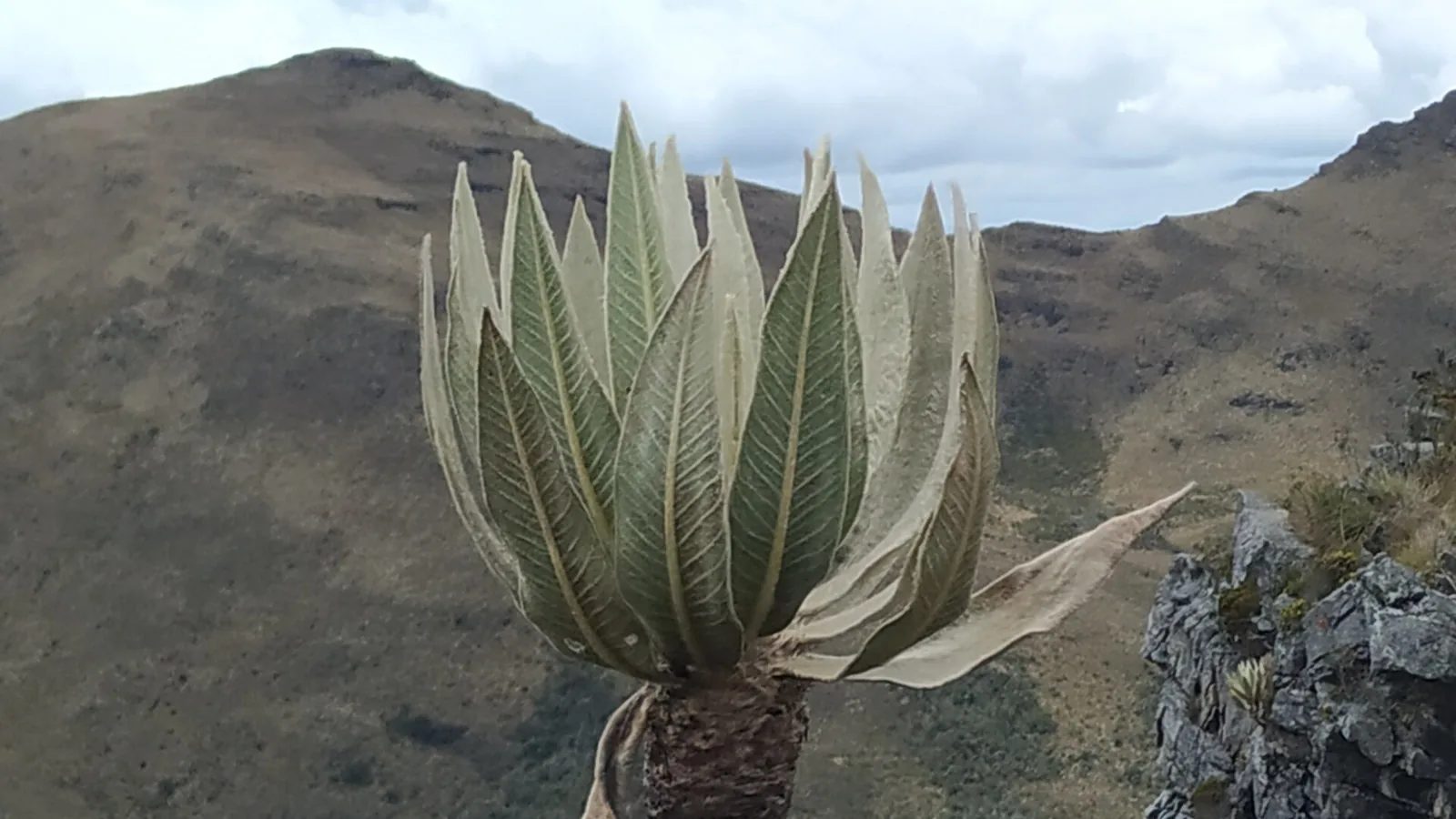
The páramos deserve a word of their own. Colombia holds about half of the world’s páramos, and the water of millions of people depends on them. They are high-mountain sponges: they hold rain and mist and release it slowly into the rivers.
So much variety of land and water brings life. Colombia is among the countries with the most species of birds, orchids and butterflies on Earth.
And life brings culture
For thousands of years, the peoples of these mountains and their forests grew, traded and shared plants such as cotton, tobacco, coca and yagé. Paths, markets and alliances crossed the cordilleras long before the countries that divide them today existed. The cultural diversity of the region is born of the same diversity of altitudes and waters.
What holds it together
A bioregion is a biological region where the terrain connects ecosystems, waters and cultures. In the Northern Andes that connection stops at no border: these mountains continue into Ecuador and Venezuela. Borders do not divide them. Water holds them together.
Thinking at this scale changes the question. It is no longer only what we do on our farm or in our neighbourhood, but which mountain we depend on and who else depends on it.
In the next episode we come down from the large scale to a single river, to see how many ways of living fit on one mountain.
Image: a frame from a Pexels video.