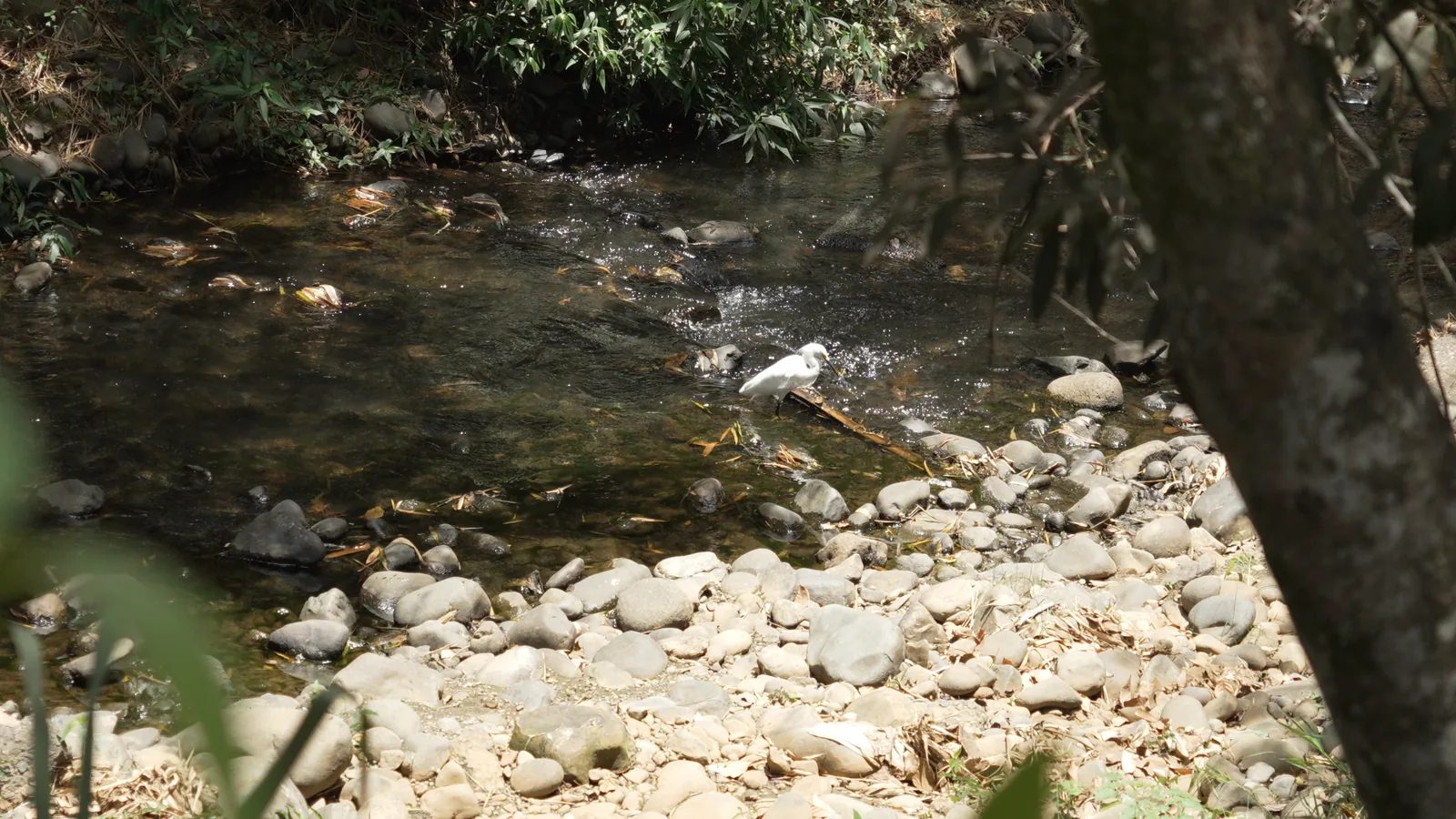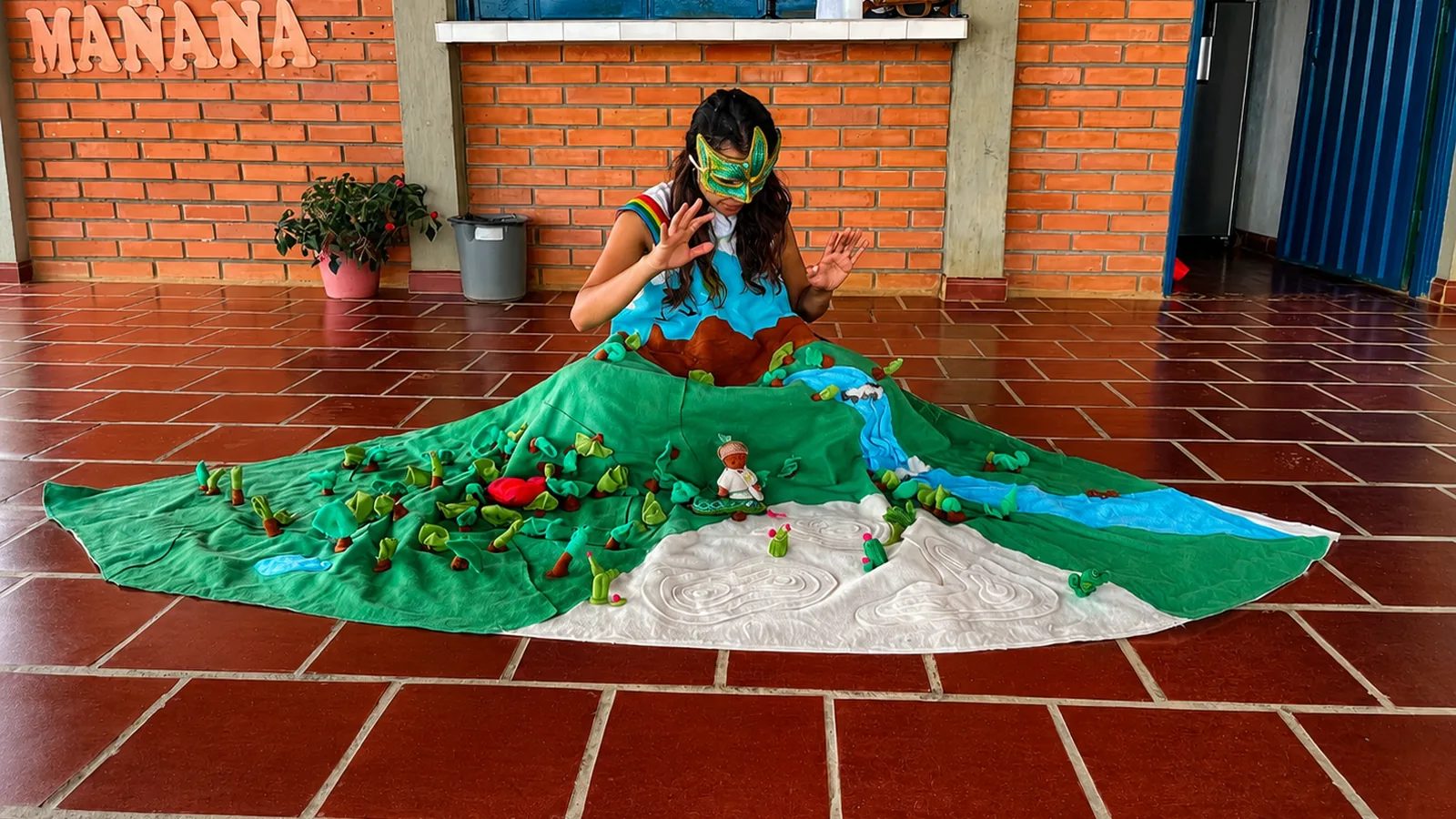
How many different ways of living fit on one mountain? To answer, you have to climb, because in the tropics climbing a mountain means crossing many ecological worlds. In this episode we follow a single river in Santander, Colombia, the Fonce, from where it rises to where it disappears into a hot canyon.
Up high: the páramo
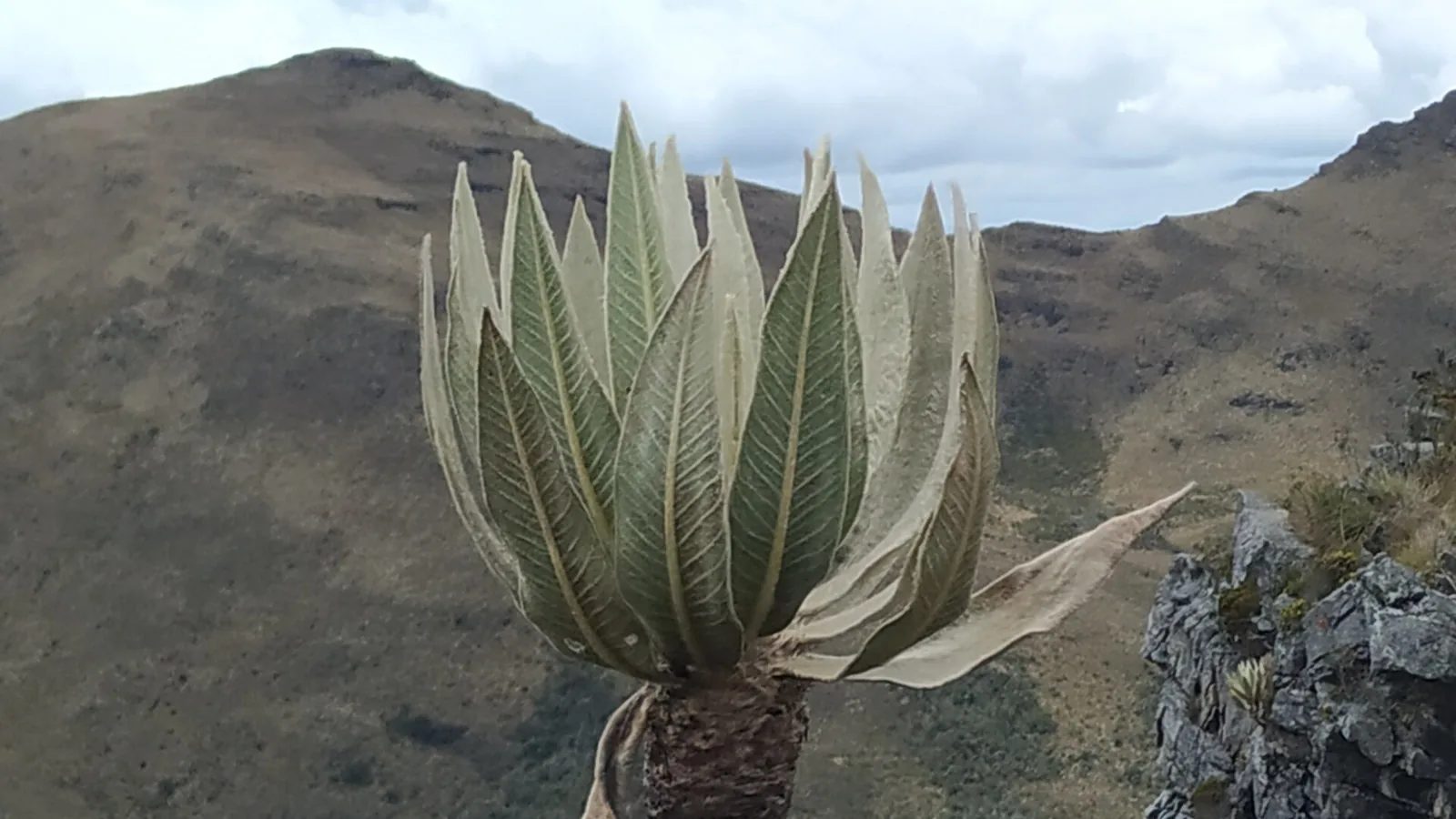
The water that feeds the Fonce rises in the La Rusia páramo, inside the Guanentá Alto Río Fonce Fauna and Flora Sanctuary, between the departments of Santander and Boyacá. Up there, among frailejones and high mountain lakes, it is cold and the mist hardly ever lifts. The water is born clear.
On its way down, the river crosses cloud forest and one of the largest oak forests of the Eastern Cordillera, home to the Andean oak, Quercus humboldtii. This is tierra fría, the cold zone: the land of potatoes, frosty mornings and forests that catch water from the mist.
In the middle: tierra templada
Further down, the Fonce takes its name at Charalá and passes through San Gil. Close by is Barichara, at around 1,300 metres, on the edge of a plateau. This is the temperate zone, and here people learned to build with what the ground offered: houses of tapia pisada, rammed earth walls packed layer by layer that still keep the rooms cool today.
Down below: the dry canyon
At the bottom, among cacti and dry forest, the Fonce joins the Suárez River, which the Guane people called Saravita. By now it is a big, strong river running through a canyon where it hardly ever rains. The water that does not fall on that canyon reaches it from above, from the páramo. This is tierra caliente, the hot zone: the land of cassava and cotton.
Different, but connected
One river, many worlds. That is why these mountains are so diverse, and why people learned to live differently at each altitude. The Guane wove cotton from the hot lands; the Muisca drew salt from the cold mountains. They met to trade, and stone paths, like the ones now called caminos reales, linked one zone to the next. Life moved along those paths for centuries.
A bioregion is not a place where everything is the same. It is a place where each part depends on the others: what happens in the páramo reaches the canyon, and the páramo depends on someone taking care of it. What is cared for up high reaches those below.
Something to think about
Which zone do you live in? Páramo, cold, temperate or hot? And which zone does your water come from?
In the next episode we ask another question: are cities part of the bioregion too?
Image: frailejón (Espeletia cachaluensis) in the Guanentá Alto Río Fonce Sanctuary. Photo by Nicolás Ramírez, Wikimedia Commons, CC BY-SA 4.0, cropped.