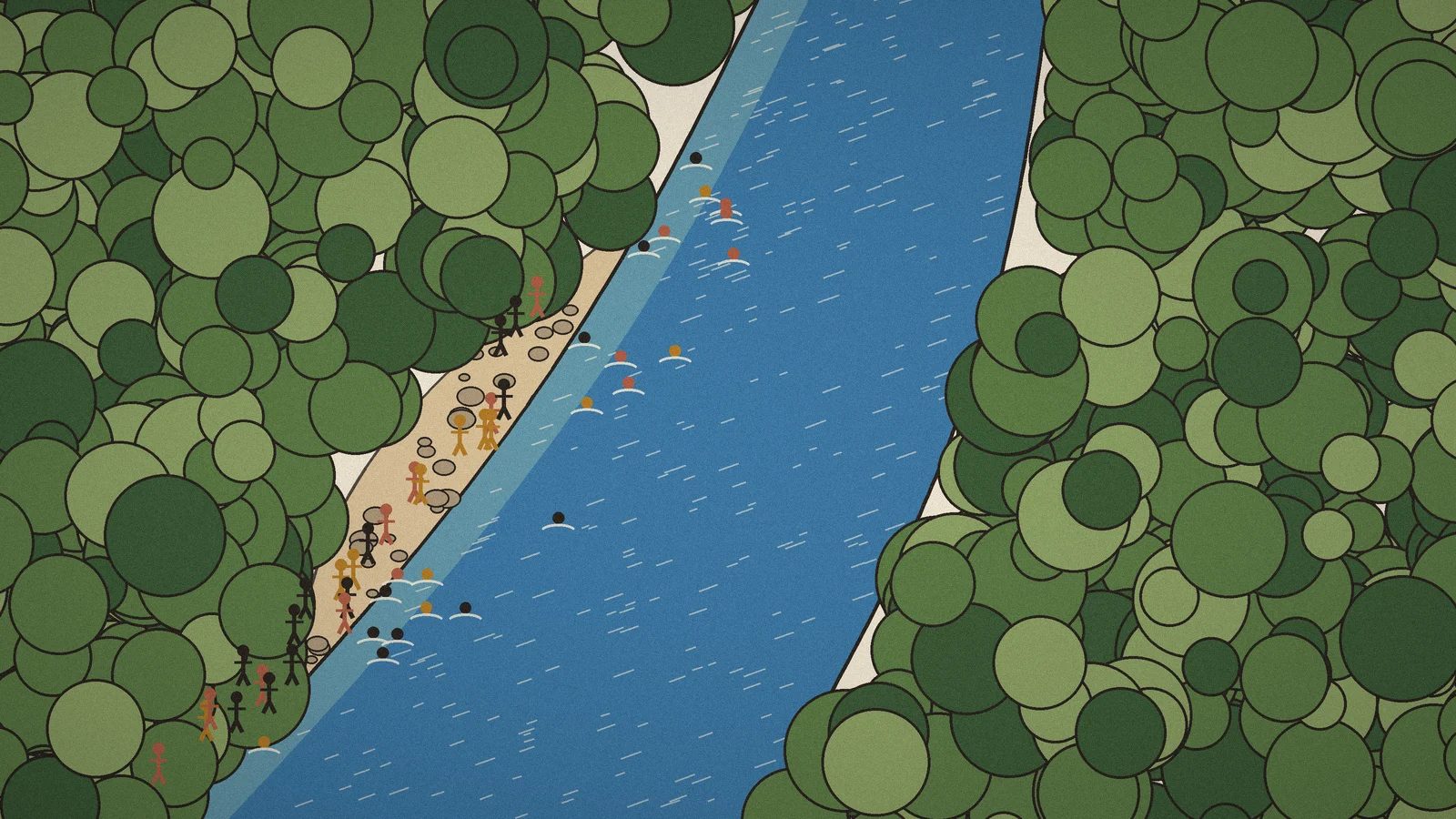
While reading Luna de agua, by Alejandra Jaramillo Morales, with illustrations by Sandra Restrepo (Loqueleo, 2025), one phrase changed the way we look at the mountains: there are plant people, animal people, stone people, water people. Out of that came episode 5 of the Bioregions Series. It lasts about three minutes and is in Spanish with English subtitles.

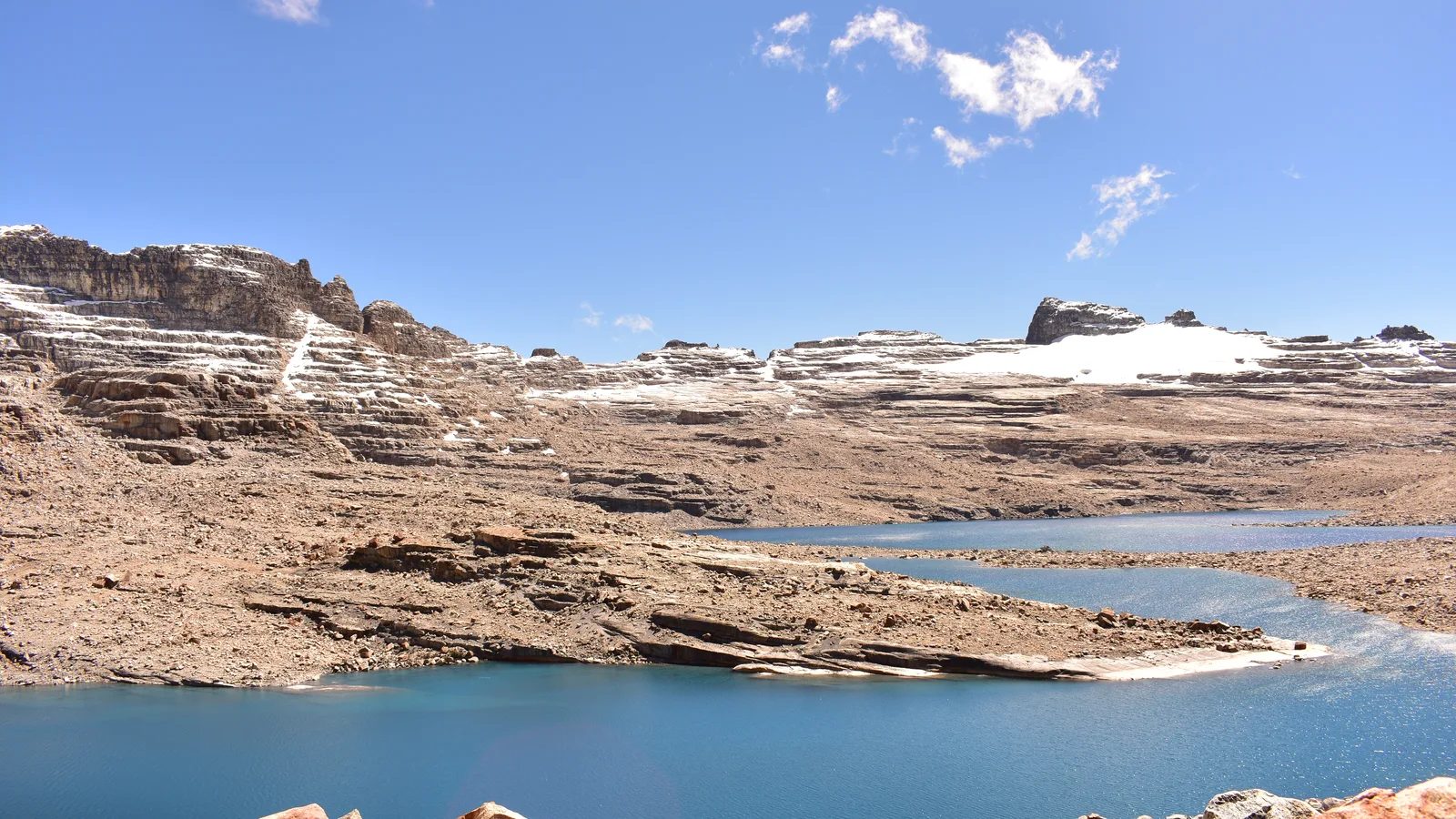
The water that comes down from the páramo shaped the life of every Andean people, and looking after it up high means looking after everyone down below. The Muisca tell how Bochica opened the rock at Tequendama to let out the water flooding the savanna, and geological studies show that there was once a lake there: a tradition and a scientific explanation that can be brought into conversation. The U’wa tell how the ancestors of their clans were born from the lakes of Cocuy, and they plant the mountain from top to bottom, from the páramo to the plains.
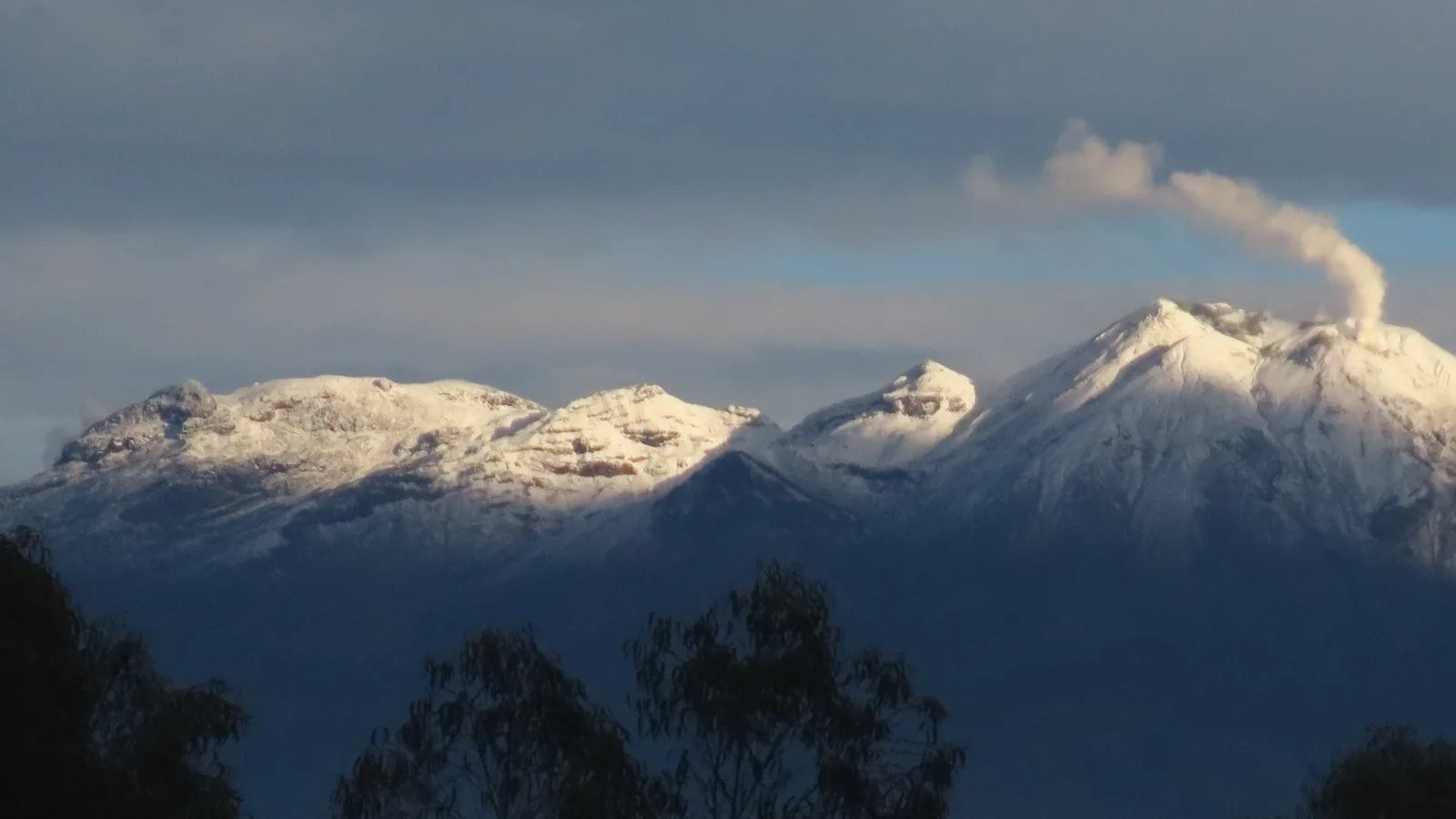
Further south, the episode reaches Cauca, in the páramos of the Misak. The Pastos tell how they were born from the union of the Cumbal volcano and the Laguna de La Bolsa, and they live on both sides of the border between Colombia and Ecuador. And in northern Colombia, in the Sierra Nevada de Santa Marta, the Línea Negra is a system of sacred places across the mountain, the coast and the sea, cared for by its four peoples: Arhuaco, Kogui, Wiwa and Kankuamo.
It is an episode to watch at home or in the classroom, and to talk about afterwards.
When you turn on the tap, do you know which páramo that water comes from and who receives it after you?
This text is part of the Bioregions Series, about the Northern Andes and the people who care for them. Watch it on Instagram too, and the full series, in order, on YouTube.
Sources: Ministerio de Cultura, Parques Nacionales Naturales, Decreto 514 de 2026, Universidad Nacional. Book: Luna de agua, by Alejandra Jaramillo Morales.