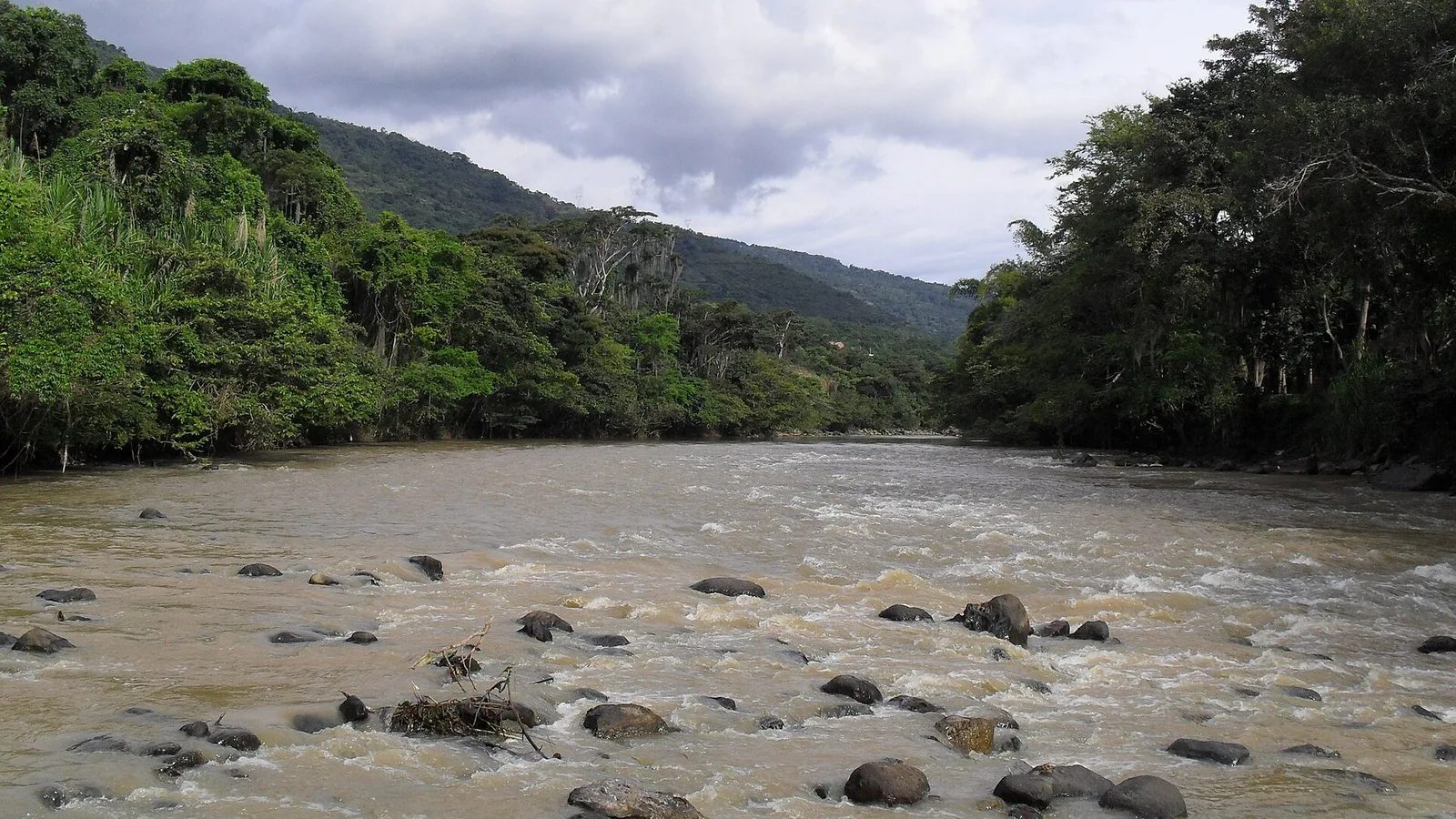
The Río Hacha rises at around 2,400 metres on Cerro Gabinete, in the Cordillera Oriental, inside the Reserva Forestal de la Amazonia and on the border with Huila. From there it flows down through Caquetá, along the strip where the mountain begins to turn into the Amazon, until it meets the Río Orteguaza. Belén, who spoke from Florencia in a talk on bioregional mapping, introduced it like this: “We have the Río Hacha, which according to some authors is about 66 km long and according to others 64.”
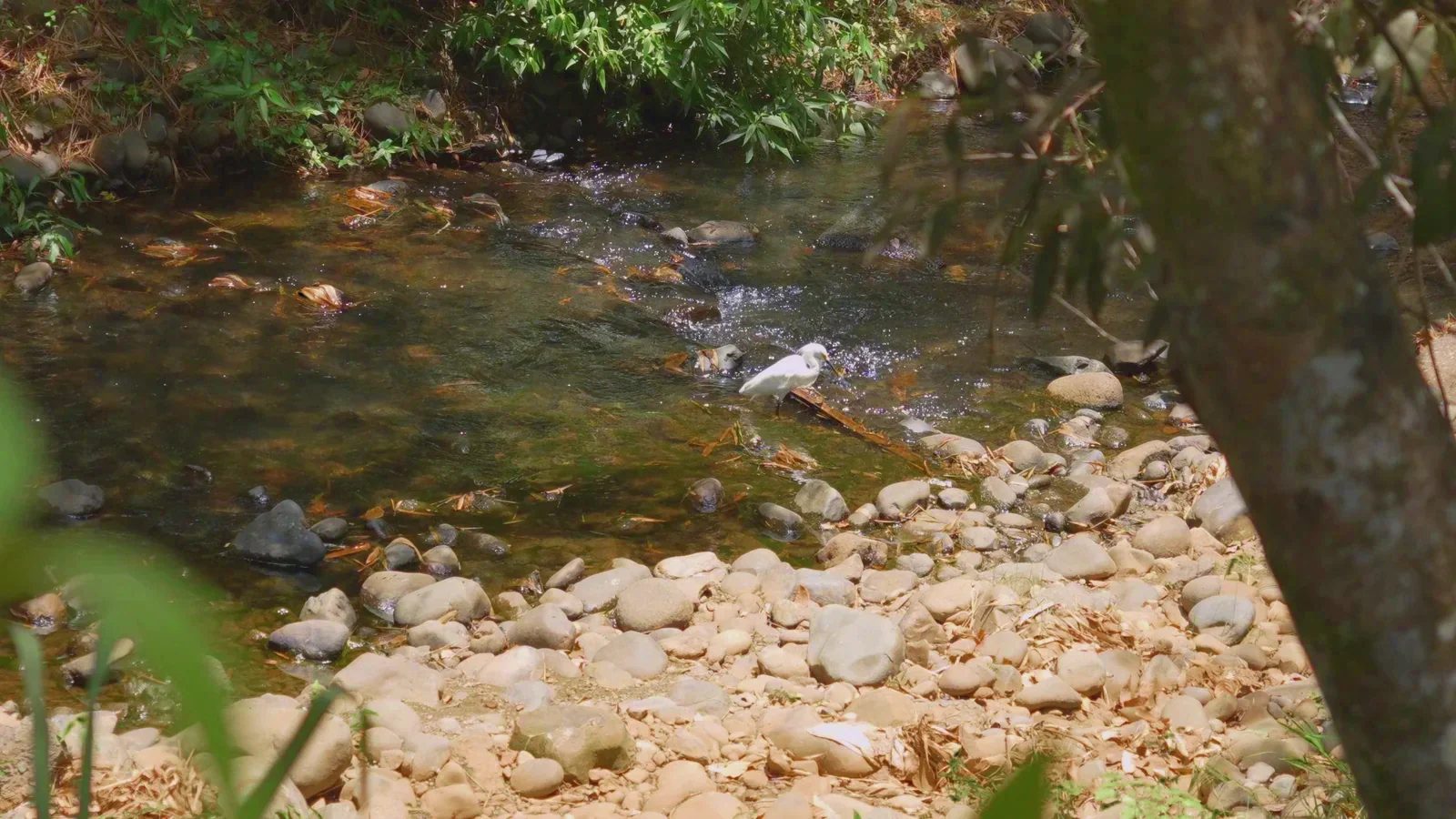
For Florencia, the capital of Caquetá, this river is one of its main sources of water, framing the city to the north and west. Its basin covers nearly 22% of the municipality. Higher up, the mountain still keeps its natural cover, and further down, remnants of forest remain alongside the stream. In the middle and upper basin, the Instituto SINCHI recorded more than 1,200 plant species, 57 of them endemic to Colombia. The Universidad de la Amazonia has studied the fish of its middle basin.
As it passes through the city, the river has suffered from wastewater discharge and the pressure of a growing Florencia along its banks, according to studies by SINCHI and the 2018 management plan by Corpoamazonia. On 1 December 2025, the Concejo de Florencia approved Acuerdo 2025018, which recognises the rights of the Río Hacha as a living entity.
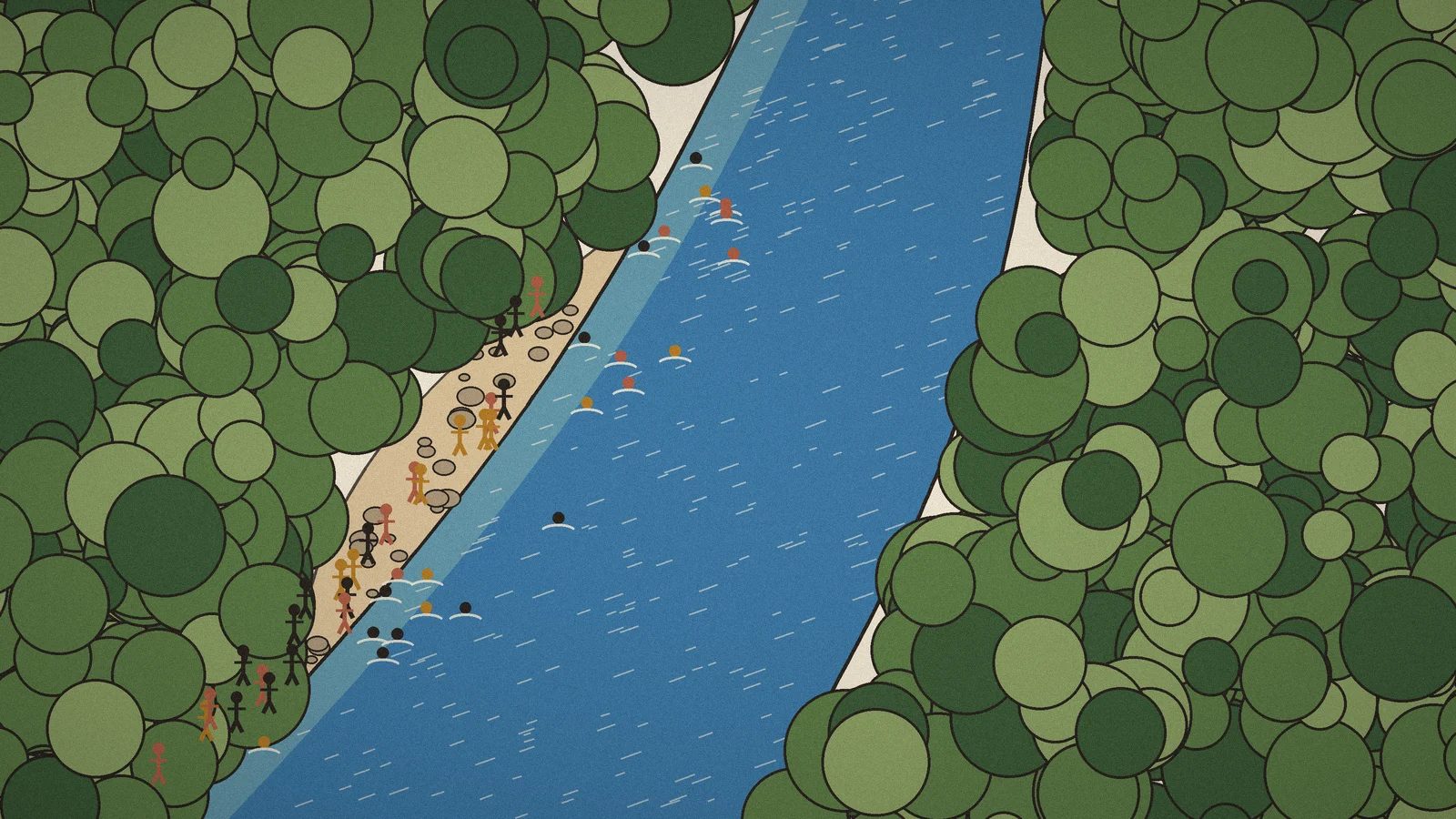
In the same talk, Belén spoke about how care sometimes begins: by looking. “A few days ago I took part in a very simple exercise with a women’s collective where we care for a stretch of a micro-basin. When we started finding such valuable things: listen, here is the monkey, here is such-and-such animal, here is the squirrel. And someone said, how come, I have never seen it. And another said, what do you mean you have never seen it, I have seen it, here they are.”
If you were to make a map of the river that gives water to your city, which plants and animals would you put first?
This text is part of a series about the rivers of the Northern Andes and the people who care for them. Watch Bioregions Series episode 2, “The Northern Andes”, about how water unites what borders divide, on YouTube or on Instagram.