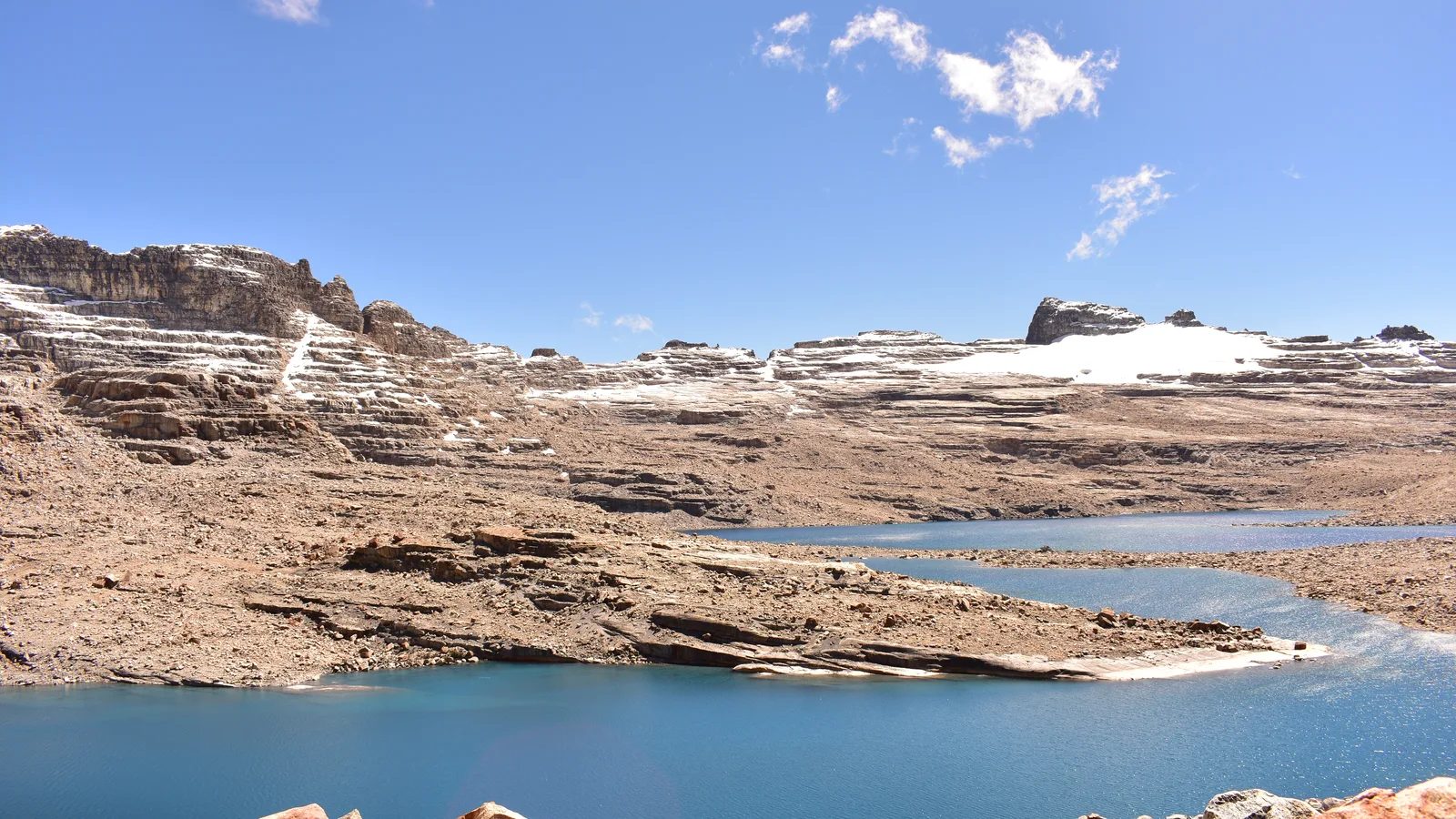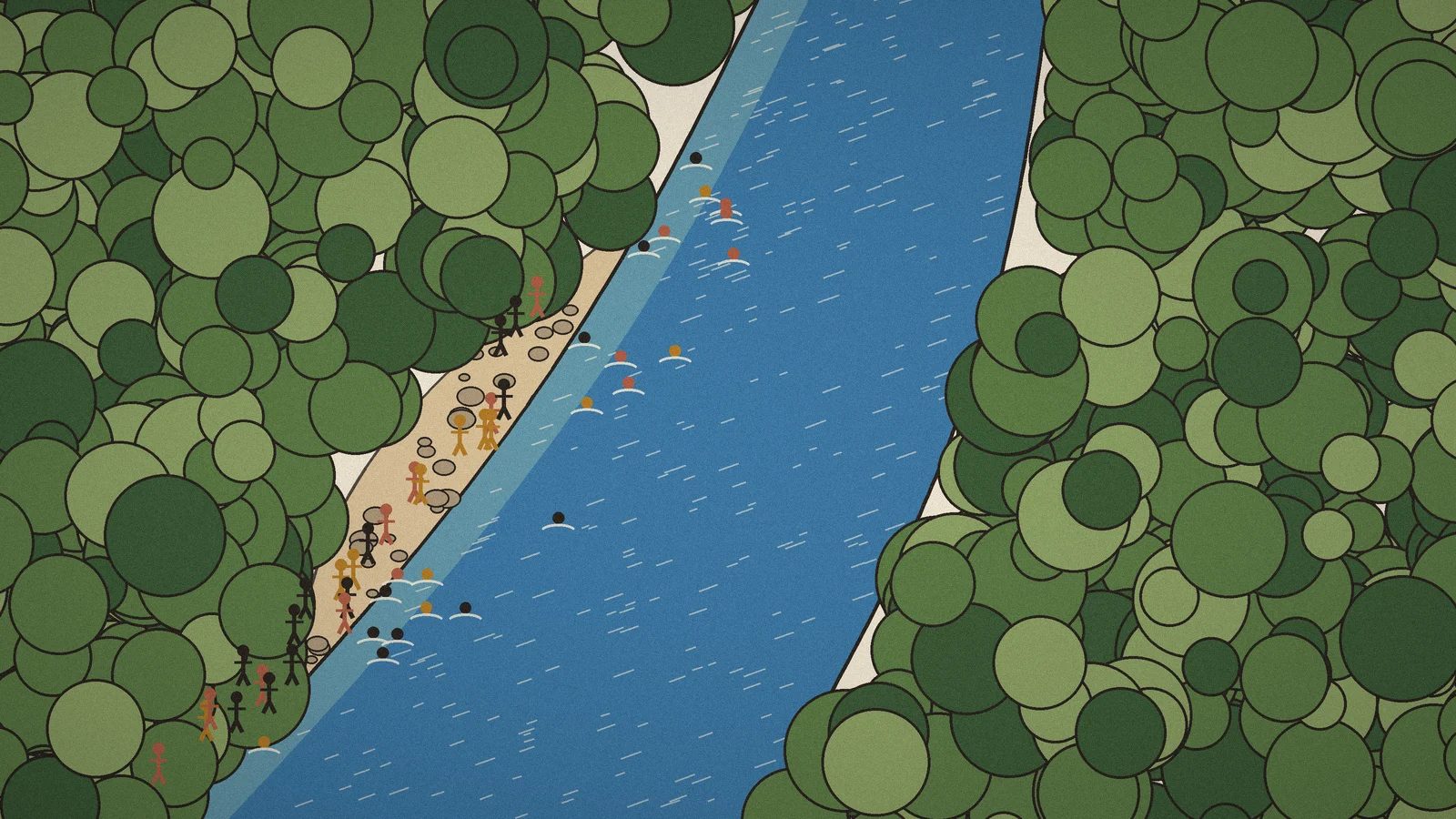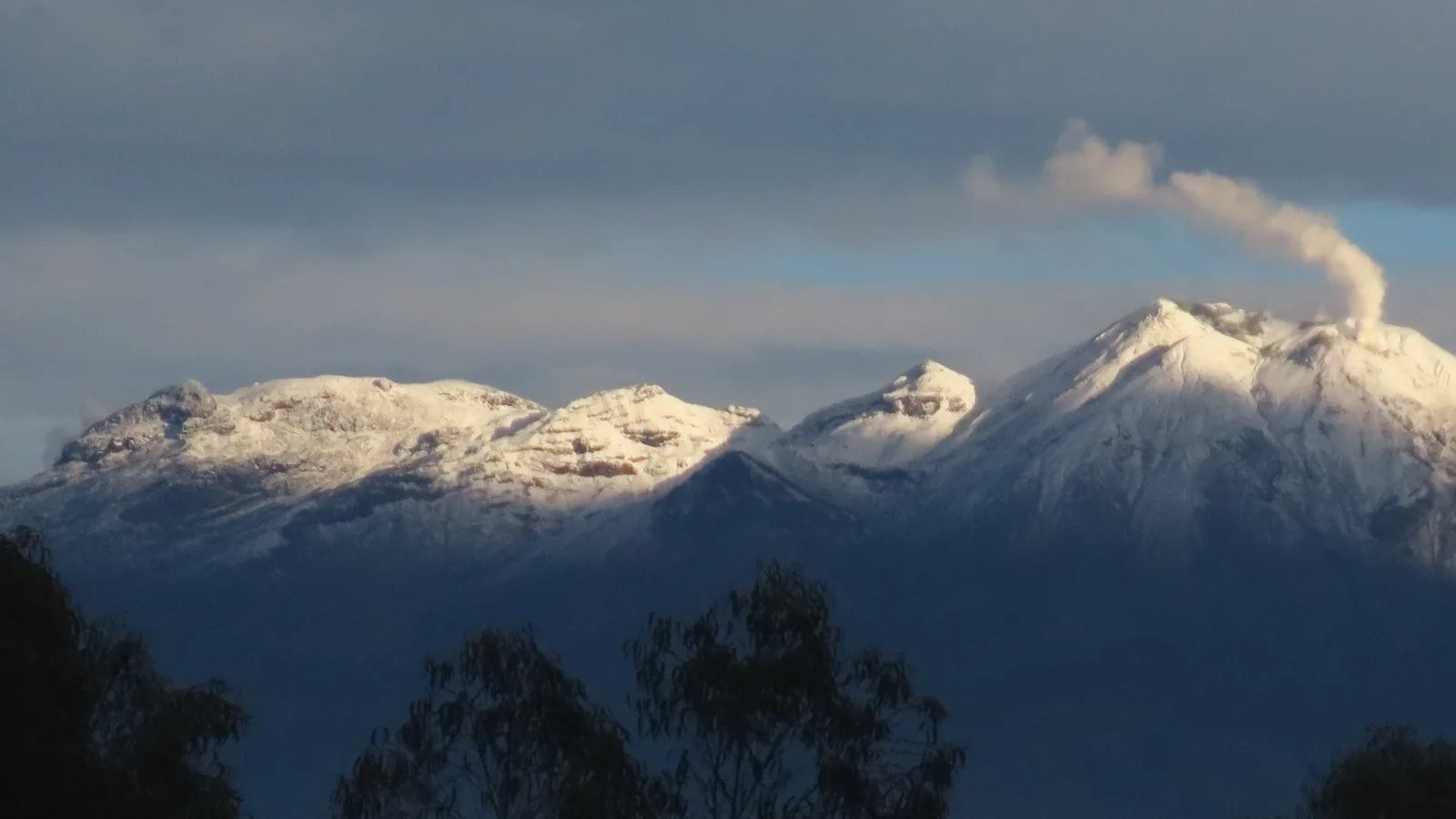
In Colombia, the Andes split into three mountain ranges: mountains folded into deep valleys, where each valley is its own world. That geography helped many Indigenous peoples keep their way of life, though each one has its own history of dispossession and resistance. The episode follows five of them: the Muisca, the Nasa, the Misak, the Pastos and the U’wa. Today, communities from these peoples care for the páramos where our water comes from.

This is episode 6 of the Bioregions Series. It runs for 2:26 and is the first one in English, with Spanish subtitles: we wanted the story of these peoples to reach beyond Colombia as well.
There are 115 Indigenous peoples in Colombia, according to DANE and the Ministerio de Cultura. Several of those living in the mountain ranges carry long-standing wounds. The traditional Muisca and Pasto languages are no longer spoken in community life, although today there are efforts under way to recover the Muisca language. The Nasa, the Misak and the U’wa have kept theirs: Nasa Yuwe, Namtrik and Uw’aka. The Misak lost land from their resguardo and have been winning it back. The U’wa lost a large part of their territory, and war has forced Nasa families from their lands.
Even so, they remain on the mountain. Many communities govern their territories today and watch over them with their own guard. Some put out fires in the páramos and plant seedlings to restore them, as in Cumbal. Colombia has nearly half of the world’s páramos, and the one in Santurbán provides water to millions of people, even though its boundaries are still under discussion.
What words or customs from the Indigenous peoples of your bioregion still live on in the names of your rivers and mountains?
This text is part of the Bioregions Series, about the Northern Andes and the people who care for them. Watch it on Instagram as well, and see the full series in order on YouTube.
Music: Cody Francis, “Rose In The Garden” (Epidemic Sound). Chant: “Hytcha Guy”, Cabildo Muisca de Bosa / IDARTES (CC BY 3.0). Episode imagery: Google Earth, NASA Blue Marble.