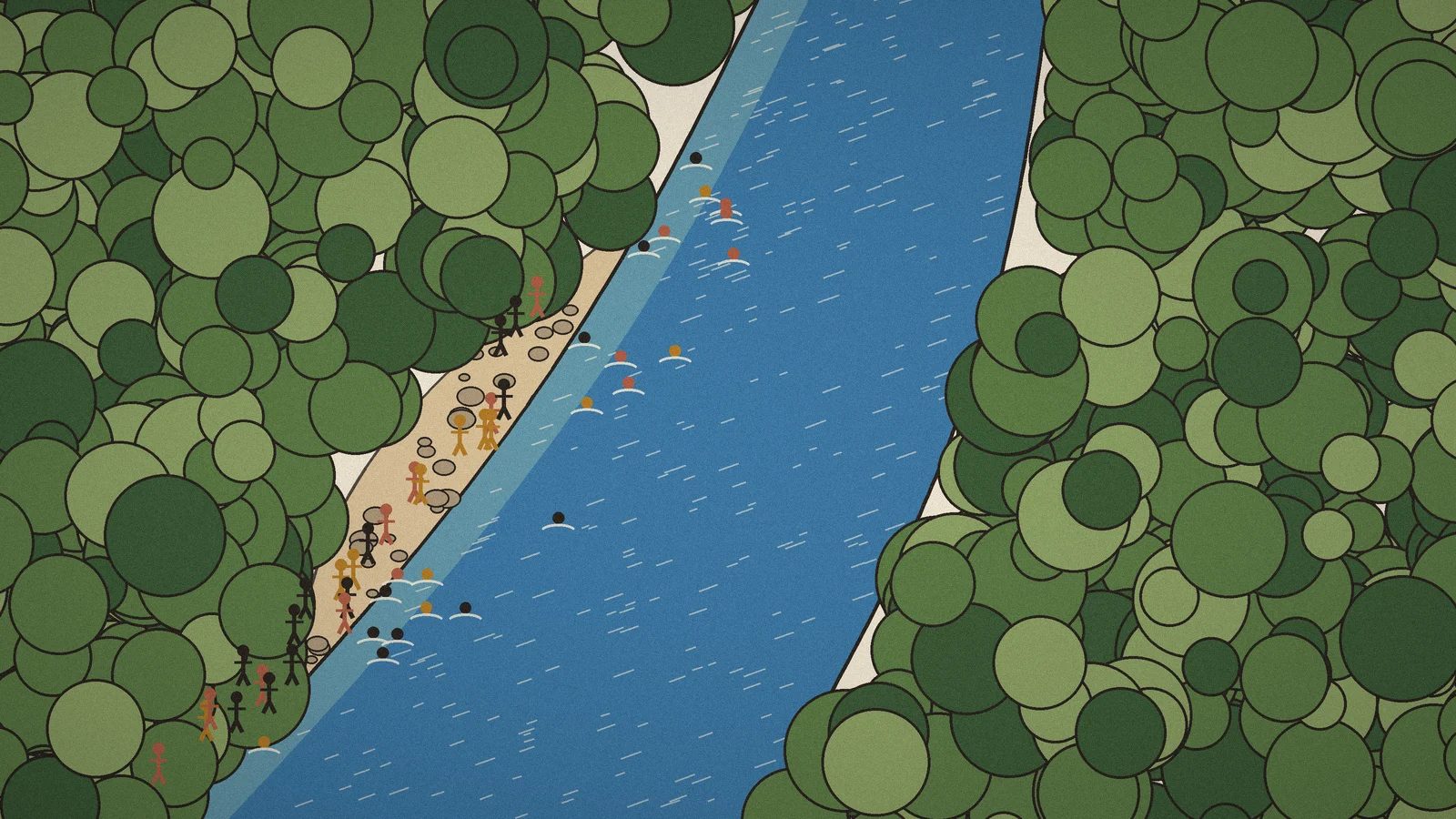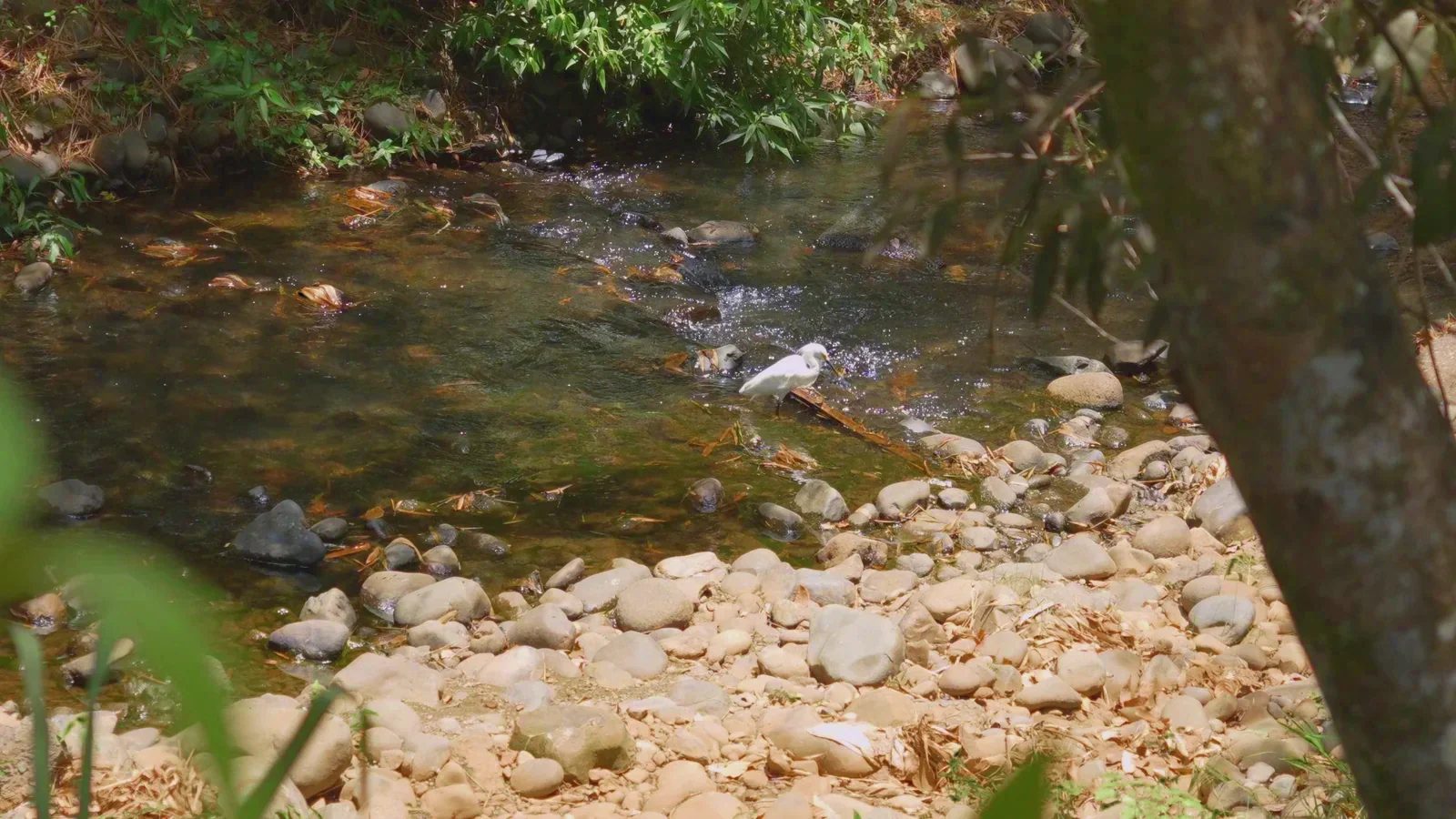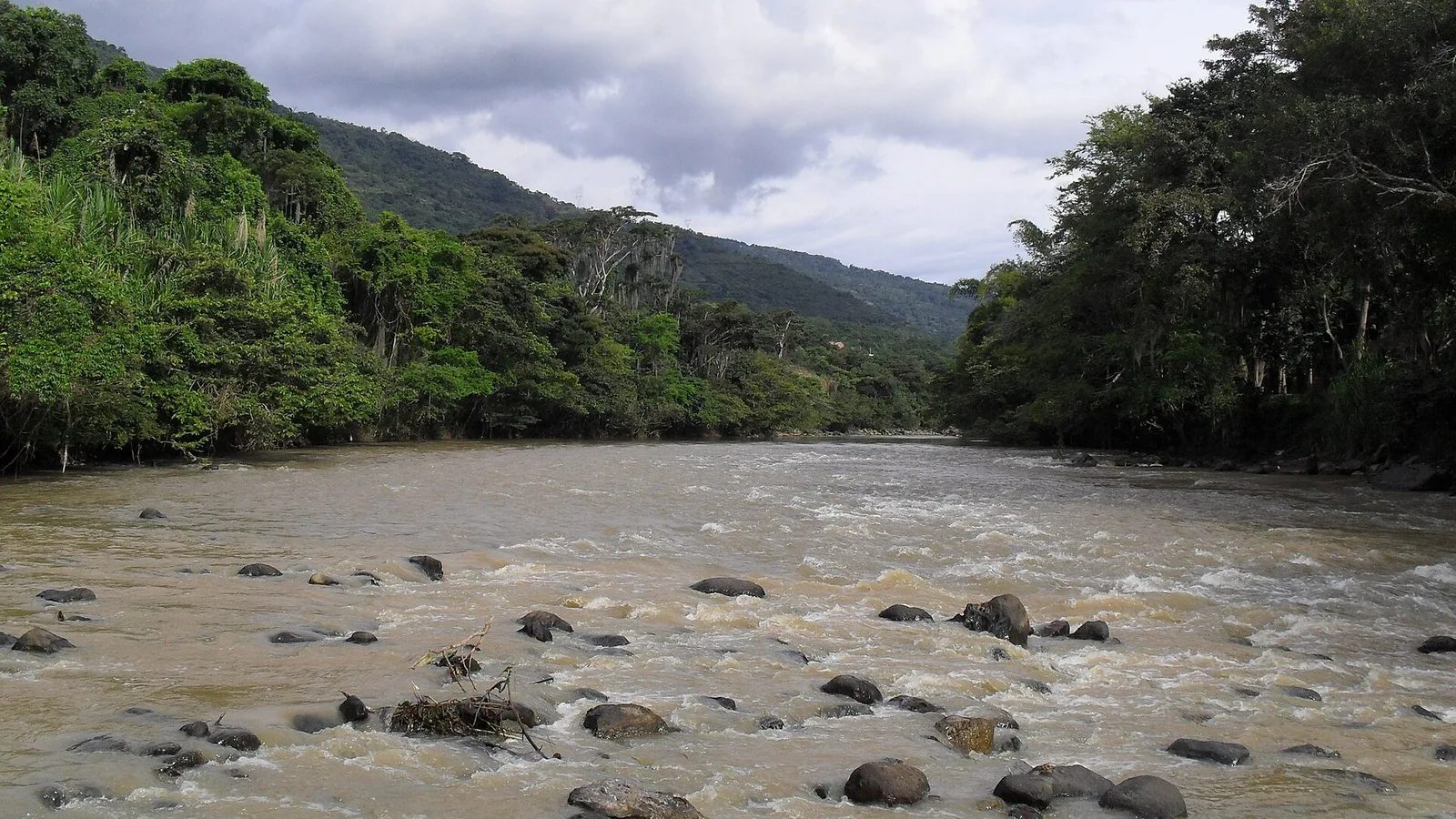
The Fonce River is fed by the cold waters that flow down from the Santuario de Fauna y Flora Guanentá Alto Río Fonce. High up there rise the La Rusia River and the Los Cercados stream, which join to form the Negro River. Further on, the Negro meets the Guacha and together they form the Pienta. Near Charalá, the Pienta joins the Táquiza River, and from that point on the channel is called the Fonce. Along that journey, the water crosses every altitude zone, from the high páramo down to the warm lowlands.
The sanctuary was declared on 18 November 1993, covers some 10,249 hectares, and since 2024 has been on the IUCN Green List. Spectacled bears live here among frailejones, oak forests and remnant stands of Polylepis. The Fonce basin runs through the territories of municipalities such as Valle de San José, Charalá, San Gil and El Socorro, and the river flows very close to Barichara. Across these lands, the Guane people grew cotton and the Muisca traded salt. You can still walk the Camino Real from Barichara to Guane, built over an older Guane trail and repaired by Geo von Lengerke in the 1860s; today it is a National Asset of Cultural Interest. In the end, the Fonce gives its waters to the Suárez, which joins the Chicamocha to form the Sogamoso and continues towards the Magdalena and the Caribbean.
Passing through so many towns has left it wounded. Inside the sanctuary, the water quality index fell from “high” in 2017 and 2018 to “medium” in 2022. Further downstream, the basin receives wastewater from at least seven municipalities, according to the CAS, and there are communities that can no longer use its water.
And there are people who have decided to look after it. The Parques Nacionales team at the sanctuary signs conservation agreements with farming families and supports their work on the land. In San Gil, teacher María Trinidad Gómez Martínez led the “Facing the River” (“De cara al río”) process in 2019, in which Miguel Arturo Fajardo Rojas took part from Unisangil, working alongside neighbours, local business owners and citizen watchdogs to find ways out of the pollution of the Fonce. In August 2026, 21 apprentices from the SENA joined forces with Eco San Gil, the Policía de Turismo, Acuasan and the Bomberos to clean the riverside promenade. And in June of that year, following complaints from residents of the Baraya rural district in El Socorro and Palmar, and of the El Hoyo sector in Cabrera, the CAS suspended an unauthorised mining operation near the basin.
If you follow your own town’s river downstream, which other municipalities does it pass through before reaching a larger river?
This text is part of a series on the rivers of the Northern Andes and the people who care for them. Watch episode 3 of the Bioregions Series, “One River, Many Worlds”, on YouTube or on Instagram.